
AI Summary
- A balanced fertility diet can support women managing PCOS and trying to conceive.
- Fiber-rich foods, lean proteins, whole grains, and healthy fats support metabolic health.
- Limiting sugary drinks and highly processed foods may help manage blood sugar.
- Regular exercise, quality sleep, and stress management also support overall health.
- Medical guidance can help address hormonal concerns and individual fertility needs.
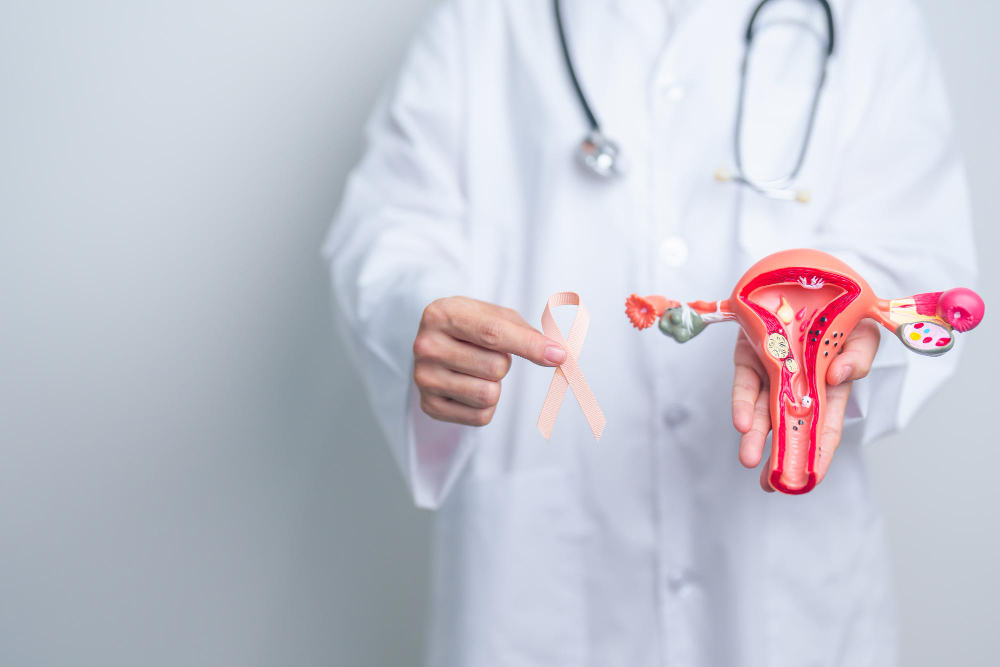
Polycystic Ovary Syndrome (PCOS) is a common hormonal condition that can affect menstrual cycles, ovulation, and fertility. For women trying to conceive, everyday food choices can play an important role in supporting reproductive and metabolic health. A balanced diet may help manage insulin resistance, support healthy hormone function, and improve overall well-being. However, no single food or meal plan can cure PCOS or guarantee pregnancy. Understanding which foods to include and which habits to change can help women make informed decisions about their fertility journey.
What Is the Best Fertility Diet for Women with PCOS?
There is no single fertility diet that works for every woman with PCOS. However, a balanced eating pattern that includes whole foods, fiber, protein and healthy fats can support overall health.
Women with PCOS may experience insulin resistance, which means the body does not respond to insulin as effectively as it should. This can affect blood sugar levels and hormone activity.
A fertility-friendly eating plan should focus on:
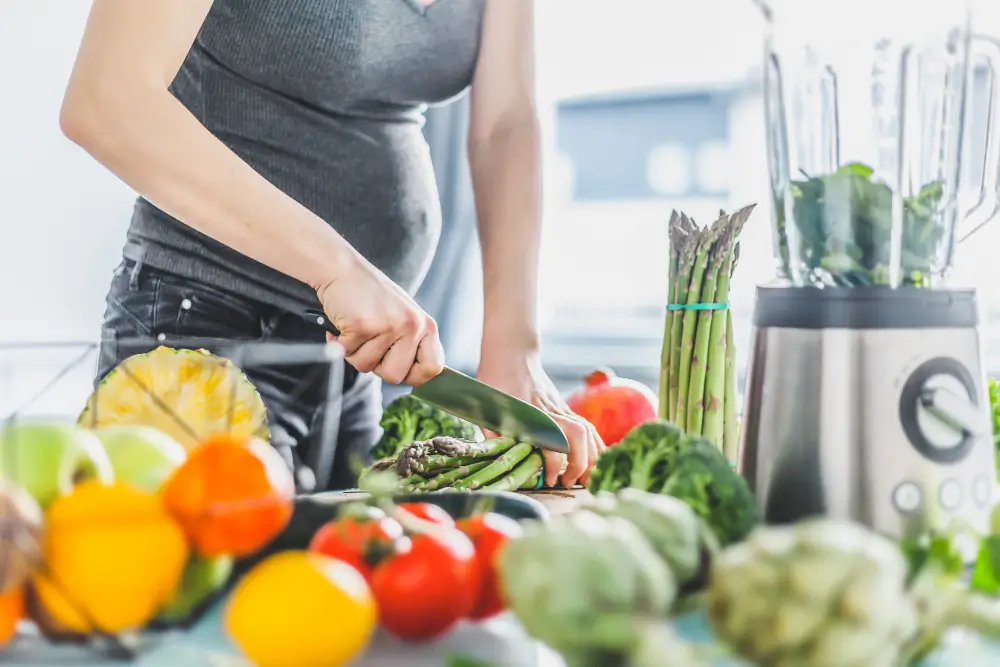
- Vegetables and fresh fruits.
- Whole grains and high-fiber foods.
- Lean proteins.
- Healthy fats from nuts, seeds, and avocados.
- Foods with minimal added sugar.
Eating balanced meals regularly may also help maintain steady energy levels and support metabolic health.
Which Foods Should Women with PCOS Eat to Support Fertility?
Choosing nutrient-rich foods can help support the body while managing PCOS. A varied diet provides vitamins, minerals, fiber, and other nutrients needed for general reproductive health.
1. Eat More Fruits and Vegetables
Berries, apples, spinach, broccoli, carrots and other colorful vegetables provide fiber, vitamins, and antioxidants.
These nutrients support general health and help protect cells from oxidative stress. Whole fruits are also a useful alternative to sugary snacks and drinks.
2. Include Lean Protein
Protein helps maintain muscle and keeps meals satisfying. Good options include:
- Eggs and skinless chicken.
- Fish such as salmon.
- Beans and lentils.
- Greek yogurt without added sugar.
- Tofu and other plant-based proteins.
Adding protein to meals can also help balance carbohydrates.
3. Choose Healthy Fats
Healthy fats are important for overall health and help the body absorb certain vitamins. Include foods such as walnuts, almonds, chia seeds, flaxseeds, olive oil, and avocados.
4. Choose Whole Grains and Fiber-Rich Foods
Oats, quinoa, brown rice and whole-wheat bread are higher fiber and nutrient-rich choices compared to highly processed carbohydrates.
Fiber is essential for healthy digestion, and the consumption of fiber has been linked to better blood sugar control.
What Foods Should Women with PCOS Limit?
Some foods can make blood sugar management more difficult, especially when eaten frequently. Women with PCOS may benefit from reducing:
- Sugary beverages and packaged juices.
- White bread and refined flour products.
- Cakes, cookies, and sweets.
- Deep-fried and highly processed foods.
- Packaged snacks with added sugar.
This does not mean women must avoid these foods completely. The goal is to build healthier eating habits that are practical and sustainable.
How Does Insulin Resistance Affect Fertility in Women with PCOS?
Insulin resistance is common in women with PCOS. When the body struggles to use insulin effectively, it may produce more insulin to manage blood sugar.
Higher insulin levels can affect ovarian hormone activity and contribute to irregular ovulation in some women.
A balanced diet, regular physical activity and appropriate medical care may help manage insulin resistance. Improving metabolic health can support menstrual regularity and reproductive function, although individual results vary.
What Lifestyle Changes Can Improve Fertility with PCOS?
Food choices are important, but other daily habits also matter.
-
Stay Physically Active
Walking, swimming, cycling and strength training can support metabolic health. Regular movement may also help improve insulin sensitivity.
-
Get Enough Sleep
Poor sleep can affect appetite, energy, and metabolic health. Try to maintain a consistent sleep schedule and aim for seven to nine hours of sleep each night.
-
Manage Everyday Stress
Long-term stress can affect overall well-being. Meditation, breathing exercises, gentle yoga and relaxing activities may help support emotional health.
When Should Women with PCOS Consider Medical Support for Fertility?
Dietary changes are helpful, but they may not address every cause of fertility difficulties. Women experiencing irregular periods, missed ovulation, or difficulty conceiving should consider a medical evaluation.
A personalized fertility assessment may include hormone testing, metabolic screening, menstrual history, and an evaluation of reproductive health.
Women researching hormone treatment for female infertility in New York should understand that treatment depends on the underlying cause of infertility. Options may include ovulation-inducing medications and other fertility treatments when clinically appropriate.
At Bioidentical Hormones NYC, women can seek guidance about hormonal health and individualized care. Discussions about BHRT for women near New York City should also consider reproductive goals, since bioidentical hormone replacement therapy is not an established treatment for restoring ovulation or treating infertility.
Additionally, conditions such as uterine fibroids may require separate evaluation. Women searching for treatments of fibroids in uterus near NYC should consult a qualified medical professional to understand how fibroids may affect reproductive health and which treatment options are appropriate.
How Can Bioidentical Hormones NYC Support Women’s Hormonal Health?
Managing PCOS involves understanding the relationship between hormones, metabolism, and reproductive health. Bioidentical Hormones NYC focuses on personalized hormone and wellness care.
Dr. Rashmi Gulati and the medical team can help patients understand hormonal concerns and discuss appropriate evaluation and care options. Nutrition and lifestyle recommendations can also form part of a broader health plan.
If you are experiencing irregular periods, hormonal symptoms or fertility concerns, professional guidance can help you understand the next steps.
Contact Bioidentical Hormones NYC:
- Phone: (212) 794-8800
- Email: info@bioidenticalhormones.com
Frequently Asked Questions –
Q. Can a fertility diet help women with PCOS get pregnant?
A. A balanced diet may support insulin sensitivity, metabolic health and regular ovulation. However, diet alone cannot guarantee pregnancy. Medical guidance may be necessary depending on individual fertility concerns.
Q. Is a low-carb diet good for women with PCOS?
A. Some women may benefit from reducing refined carbohydrates and choosing high-fiber alternatives. However, completely eliminating carbohydrates is not necessary. A balanced eating plan is generally more sustainable.
Q. Which breakfast foods are good for women with PCOS?
A. Eggs, oatmeal, Greek yogurt, berries, nuts, and whole-grain toast are useful breakfast options. Combining protein, fiber, and healthy fats can make breakfast more balanced.
Q. Can PCOS affect ovulation and menstrual cycles?
A. Yes. PCOS can interfere with normal ovulation and cause irregular or missed periods. Proper evaluation can help identify suitable management options.
Q. Where can women get professional guidance for PCOS and hormonal health in NYC?
A. Women can contact Bioidentical Hormones NYC to discuss hormonal health concerns, medical evaluation, and personalized wellness guidance. Call (212) 794-8800 to learn more.